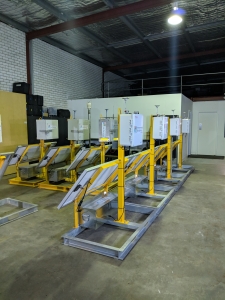
Diesel particulate matter (DPM) and respirable crystalline silica (RCS) exposure is a common hazard across Western Australian industry.
Exposure is rarely visible or immediately harmful and can often go unmanaged without a comprehensive monitoring system. Understanding your business’ industry and site relevant risk is a critical step in deploying effective monitoring and control measures.
In this article, we list the 6 WA industries that present the highest risk of airborne contaminant exposure. If you would like to implement a dust system and gather concrete measurements of diesel particulate exposure on your site, contact our Perth office.
What Makes a ‘High Risk’ Industry?
Contaminant exposure levels are determined by two things: the types of materials being worked with and the environment in which that work is being carried out.
Industries that rely on contaminant prone materials or technology are inherently more likely to generate airborne contaminants. This could include operation diesel powered equipment or cutting silica containing material. When these activities take place in enclosed, poorly ventilated environments, exposure risks increase significantly.
These risks are often part of everyday operations and cannot be avoided. That makes a dust monitoring system a critical tool in understanding exposure levels and implementing effective controls.
1. Construction and Civil Works
Construction sites are perhaps WA’s biggest ‘offenders’ when it comes to diesel and silica exposure. That’s because they are frequent users of diesel powered machinery and silica containing materials.
Importantly, risks can vary at each stage of a project. Early earthworks might involve higher disel emissions whilst later stages (such as fit out) may have higher rates of silica exposure. Monitoring is the only way to assess how exposure is evolving across the project lifecycle and devise suitable controls.
2. Mining and Quarrying
Similar to construction, mining and quarrying environments present a difficult combination of high disel use and significant dust.
Underground operations are particularly high risk as contaminants can quickly accumulate in poorly ventilated and confined spaces. At the same time, blasting and drilling in larger areas can release large amounts of contaminants and elevate exposure levels.
Dust monitoring is essential in these environments in order to manage health and compliance risks.
3. Manufacturing and Fabrication
Just as manufacturing processes vary widely, so do the contaminants they generate.
Some workshops use diesel forklifts that expose workers to high levels of DPM in enclosed spaces. Others are fabricating goods using stone, concrete or composites that contain silica.
Regardless of what the risk may be, manufacturing businesses must implement a dust monitoring program to verify the effectiveness of their controls and gather the data needed to prove compliance.
4. Transport, Warehousing and Logistics
Diesel exposure is a key consideration in transport and logistics environments.
Loading docks, warehouses, and enclosed depots often rely on diesel-powered vehicles operating for extended periods. Where ventilation is limited, exhaust emissions can build up quickly, increasing exposure for workers.
While silica risks are generally lower in this sector, they may still be present in facilities handling bulk materials such as sand, aggregates, or construction products.
5. Tunnelling and Underground Works
Tunnelling and underground construction are perhaps WA’s highest risk environments when it comes to airborne contaminant exposure.
These sites combine high potencies of the two risk factors: they involve the continuous use of diesel powered machinery and excavation of silica containing material in tight, poorly ventilated spaces. Without proper controls, contaminants can accumulate rapidly.
These industries often have monitoring mandated by regulatory and licensing conditions. If you are subject to such a requirement or would like help understanding your obligations, get in touch.
6. Maintenance Operations
Maintenance activities are rarely considered major works and are often overlooked as a source of exposure. Nevertheless, they still present significant risk.
Servicing of diesel equipment, repair of concrete components and other seemingly harmeless activities create short bursts of high intensity exposure.
Because these activities are intermittent, an ongoing monitoring system may not recognise their risk. That is why maintenance operators are best served by a targeted dust monitoring system tailored to their working realities.
Contact ENVSS and Arrange Dust Monitoring Today
If you’re operating diesel powered equipment or generating dust in an enclosed environment, your workers may be exposed to excessive levels of DPM or RCS. Importantly, your project may also be subject to intense regulatory scrutiny.
ENVSS designs practical dust monitoring services available to operators across Western Australia. They give a clear understanding of risk, control efficacy and compliance with relevant regulations.
Get in touch today to discuss your site or arrange diesel particulate monitoring in Perth or WA.