
Surface water is both a precious resource and a major risk pathway for mining operations across Western Australia. From mine site creeks and process water dams to downstream creeks and wetlands, contamination can trigger fish deaths, regulatory enforcement, and costly operational shutdowns. Surface water monitoring is vital for protecting ecosystem health and managing water resources, and monitoring ensures the safety of water sources for human and animal populations.
This article covers practical early warning signs that contamination is emerging around mine sites, and how structured river monitoring and stream monitoring programs, supported by automatic water monitoring system technology, help you detect problems before they escalate. At Environmental Site Services, we support mining and infrastructure clients with water quality monitoring, water testing, and compliance advice across WA. Understanding both water quality and water quantity, and using continuous monitoring for early detection, is essential to protecting your operation and the environment.
Understanding Surface Water Pathways Around Mining Operations
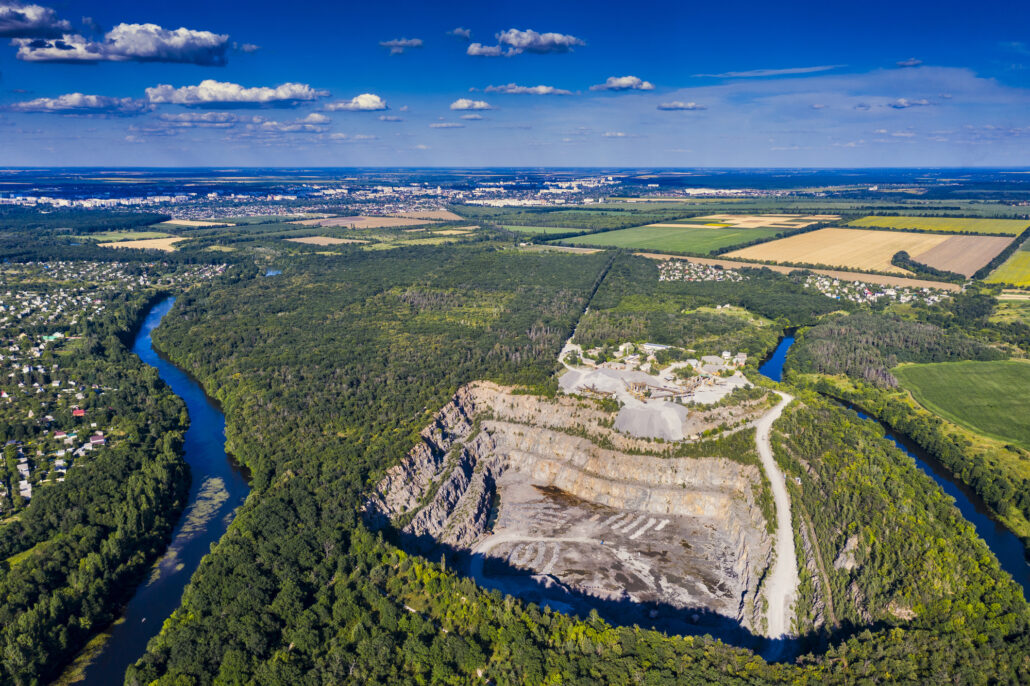
In a mining context, surface water includes mine site creeks, diversion channels, sediment dams, tailings ponds, and downstream rivers, lakes, and wetlands. Surface water monitoring stations track parameters like flow rates and water quality, while flow and level monitoring measures surface water movement and water levels. Assessment of connectivity studies interactions between surface water and groundwater, which is critical where seeps from waste rock dumps or tailings feed into streams. During rainfall events, sediment, metals, hydrocarbons, and process chemicals mobilise from waste rock dumps, ROM pads, haul roads, and laydown areas into nearby ponds, reservoirs, and estuaries. In the Pilbara, ephemeral stream systems carry contaminant pulses during tropical storms. In the Goldfields, pit lakes and shallow groundwater can overflow. Surface water data (which includes water levels, flow, and chemistry) is used to map contaminant transport from source areas to receiving environments.
DFES Ponds and Firefighting Water Storage Risks
DFES ponds, used for firefighting and emergency water storage, represent a separate but significant surface water risk, especially near processing plants or fuel farms. These ponds face particular threats from hydrocarbons, surfactants, and firefighting foam residues. Overflow or leaks from DFES ponds can lead to contamination events affecting downstream ecosystems. Monitoring these ponds for water quality changes is critical to prevent environmental harm and operational disruptions.
Early Visual and Operational Warning Signs
Monitoring assesses the quality of surface water resources like rivers and wetlands, but visible cues are often the first alert. Watch for:
- Colour and clarity changes: Orange iron staining, milky turbidity, or black anaerobic water in sediment basins or DFES ponds after rain events.
- Surface films and foam: Persistent oily sheen or unnatural foam, especially downstream of fuel storage or after DFES foam use.
- Odour: Diesel or solvent smells near pump intakes; sulphidic “rotten egg” odour indicating anoxic conditions.
- Ecosystem signs: Rapid decline in aquatic invertebrates or fish kills below discharge points; waterfowl avoiding previously frequented ponds. Perth’s sandy, nutrient-rich soils contribute to harmful algae blooms in water bodies, and algal blooms impact local economies, especially tourism and recreation. Water temperature significantly impacts aquatic life in the aquatic environment.
- Operational red flags: Frequent pump clogging, corrosion in spray systems, or unexpected scaling in dust suppression equipment.
These signs should always trigger formal water quality sampling and engagement with environmental advisors, not just visual logs.
Key Water Quality Parameters That Signal Emerging Contamination
Dissolved oxygen is one of the most important indicators of aquatic health, and a sudden drop in mine site ponds or downstream pools can be an early warning sign of organic loading, hydrocarbon spills, or the early stages of acid mine drainage. As a general guide for WA rivers, oxygen levels above 6 mg/L are considered healthy, while anything below 2 mg/L puts fish and other aquatic life at serious risk. pH is just as important, since it influences how pollutants behave in water — when pH starts to fall and conductivity starts to rise near waste rock dumps, it’s often a sign that acid drainage is on the way. Conductivity itself shows how many dissolved ions are present in the water, while turbidity is a measure of clarity and can point to pollution. Temperature and salinity are also tracked as part of surface water monitoring, since shifts in temperature can disrupt aquatic life and the wider ecosystem. Metals like arsenic, nickel, copper, and zinc, all common in WA ore bodies, become more mobile and more dangerous when oxygen and pH levels drop. Real-time loggers help by continuously tracking parameters like dissolved oxygen and temperature, giving Environmental Site Services the data needed to catch contamination early. In DFES ponds specifically, firefighting foam residues, hydrocarbons, and nutrients can cause oxygen levels to drop quickly, along with spikes in TOC and TPH readings.
The Role of Continuous Monitoring and Automatic Water Monitoring Systems
Surface water monitoring relies on a mix of continuous monitoring and periodic sampling, and the most effective setups combine automated samplers with real-time loggers. Multiparameter instruments can measure several water quality indicators at once, while telemetry means that data is available in real time rather than after the fact. Mobile monitoring stations can run unattended for extended periods, which makes them well suited to remote WA mine sites running on solar power and satellite communications.
A good example of this in action: a Pilbara iron ore mine installed sensors upstream and downstream of a process water dam. After a heavy storm, a spike in conductivity and turbidity triggered an automatic SMS alert. The investigation that followed uncovered a damaged bund wall, and containment measures were put in place quickly enough to stop the contamination reaching the waterway, something grab sampling alone wouldn’t have caught in time. Grab sampling and automated sampling both test for contaminants like heavy metals, but continuous water level monitoring adds another layer, helping to flag flood and drought risk and picking up short, sharp pollution spikes from heavy rainfall. When this data feeds into site SCADA systems or environmental monitoring dashboards, operations teams get immediate visibility into what’s happening on site. The scale of this kind of monitoring across Australia is significant, in Victoria alone, more than 900 locations are used to track water quantity and quality.
River Monitoring and Stream Monitoring Around Mine Sites and DFES Ponds
Designing a robust monitoring network for monitoring projects requires strategic site placement:
- Upstream reference locations unaffected by the mine or DFES ponds
- Inlets and outlets of mine site water bodies and DFES ponds
- Immediate downstream compliance points
- Further downstream ecological receptors (streams, wetlands, watershed features)
Streamflow Data – The Key to Understanding Water Quality
Environmental Site Services sources its streamflow data from water level measurements taken at monitoring sites. This information is essential for determining how much pollution is entering local waterways. Water quality sampling complements this work, testing rivers and lakes for contaminants such as heavy metals and other pollutants. During rainfall or periods of high flow — known as event-based sampling — Environmental Site Services can capture “first flush” pollution events before they cause lasting damage. Tracking these contaminants helps establish how far they travel and how significantly they affect the surrounding environment. The resulting data plays a valuable role in shaping management plans and ensuring regulatory compliance.
The Run of River salinity survey has been operating for more than 35 years, since 1985. Continuous salinity data has been collected along 400 kilometres of the River Murray throughout this period, demonstrating the value of sustained, long-term monitoring. This ongoing data collection shows how land use changes and urbanisation are affecting surrounding ecosystems, and allows the effectiveness of urban design in filtering pollutants to be properly assessed. Environmental Site Services also supports the establishment of monitoring networks, including staff training and data analysis.
Real World Examples: Mining Operations & DFES Pond Contamination
Iron Ore Mine, Pilbara: During a firefighting exercise, foam residues and hydrocarbons were released into nearby DFES ponds. Subsequent rainfall caused contaminated water to leak into a nearby waterway, placing stress on the local fish population. Investigation found the bunds designed to contain the runoff lacked sufficient capacity. Environmental Site Services spent months pumping thousands of kilolitres of contaminated water to treatment facilities. The mine was ultimately forced to shut down for five to ten days, at a cost exceeding $200,000. The incident offers a clear lesson applicable to the broader management of stormwater and mine runoff.
Goldfields Mine: Over several months of monitoring, a gradual decline was observed in the pH level of a nearby stream (from 7.5 to 6.0), along with falling dissolved oxygen levels. Laboratory results eventually confirmed rising copper and zinc concentrations. Had a continuous monitoring system been in place, the issue could have been identified months earlier, saving considerable time and cost in the clean-up effort. This case underscores the importance of monitoring at every stage of development, in support of informed decision-making around water management.
Designing a Proactive Surface Water Monitoring Program
- Risk assessment: Map contaminant sources (tailings, fuel farms, DFES ponds), surface flowpaths, and sensitive receptors such as pastoral bores, stock watering points, and creek ecosystems.
- Define objectives: Early warning, compliance demonstration, trend tracking, incident response.
- Select parameters: Metals for sulphide-rich ore bodies; dissolved oxygen, pH, and oxygen for acid drainage; hydrocarbons and PFAS where firefighting foams are stored.
- Set locations and frequencies: Mix continuous automatic water monitoring systems at high-risk nodes with manual sampling at verification sites.
- QA/QC: Calibration schedules, field duplicates and blanks, NATA-accredited laboratory methods, and regular instrument maintenance.
- Data management and reporting: Structured databases, visual dashboards for trend analysis, automated alerts when thresholds are exceeded. Telemetry systems provide real-time data for compliance monitoring.
Regulatory Expectations and Compliance in Western Australia
Key WA legislation and guidance relevant to surface water contamination at mines and DFES ponds includes:
- Environmental Protection Act 1986 (WA) and Department of Water and Environmental Regulation (DWER) licensing
- Mining Proposals under the Mining Act 1978
- Water Quality Protection Guideline WQPG 5 for mine site water quality monitoring
- The Victorian Water Act 1989 mandates coordinated water monitoring in that jurisdiction, illustrating national importance of regulatory frameworks
Regulators require the containment of contaminated fire water and DFES pond overflows, sufficient bund capacity, and documented monitoring. The self-reporting of incidents in a timely manner, supported with continuous monitoring of water quality, greatly minimises the risk of regulatory consequences. Such consequences could involve fines, public backlash, and disruption to operations.
Understanding these aspects of compliance is key to maintaining your licence to operate. Drinking water sources and broader water resources downstream depend on proactive management.
How We Support the WA Mining Industry and DFES Water Management
From the design and installation of surface water monitoring equipment, to managing automatic water monitoring systems and providing various water assessments, we help mining clients and DFES water managers stay compliant, avoid risks associated with surface water, and minimise disruptions and downtime.
Environmental Site Services can provide you with tailored surface water monitoring programs, complete with early warning strategies to protect your operation and the downstream ecosystem.
Coupled with our large range of occupational health services, such as noise and vibration monitoring, heat stress monitoring and more, we are well equipped to be a regulatory one-stop shop for mining, DFES, and similar operations.