
Groundwater accounts for 30% of Australia’s water consumption. In Western Australia, where aquifers provide approximately 40% of Perth’s drinking water (down from 60% in 1998), understanding when groundwater monitoring is required is not just good practice – it is often a legal obligation.
Here, we delve into the common situations that trigger groundwater monitoring requirements across WA, the regulatory frameworks behind them, and what the monitoring process typically involves.
Overview: When You Need Groundwater Monitoring in WA
In Western Australia, groundwater monitoring is typically required whenever a project may affect groundwater levels, groundwater quality, or ecosystems that depend on such water. Groundwater monitoring measures water quality and quantity over time, providing critical data for regulators, project owners and environmental managers to make informed decisions about how activities interact with water resources.
The most common trigger situations include:
- Mining and mine dewatering operations
- Major infrastructure and rail projects
- Industrial facilities and waste management sites
- Groundwater abstraction schemes
- Land development in areas with shallow water table conditions
- Known or suspected contamination from historical land use
These requirements commonly arise from approvals and licences issued under WA legislation – including DWER works approvals and operating licences, Part IV EP Act Ministerial Statements, mining proposals, and groundwater operating strategies. Groundwater monitoring is essential for balancing water availability and sustaining ecosystems, particularly in regions where groundwater is an important source of drinking water and ecological support.
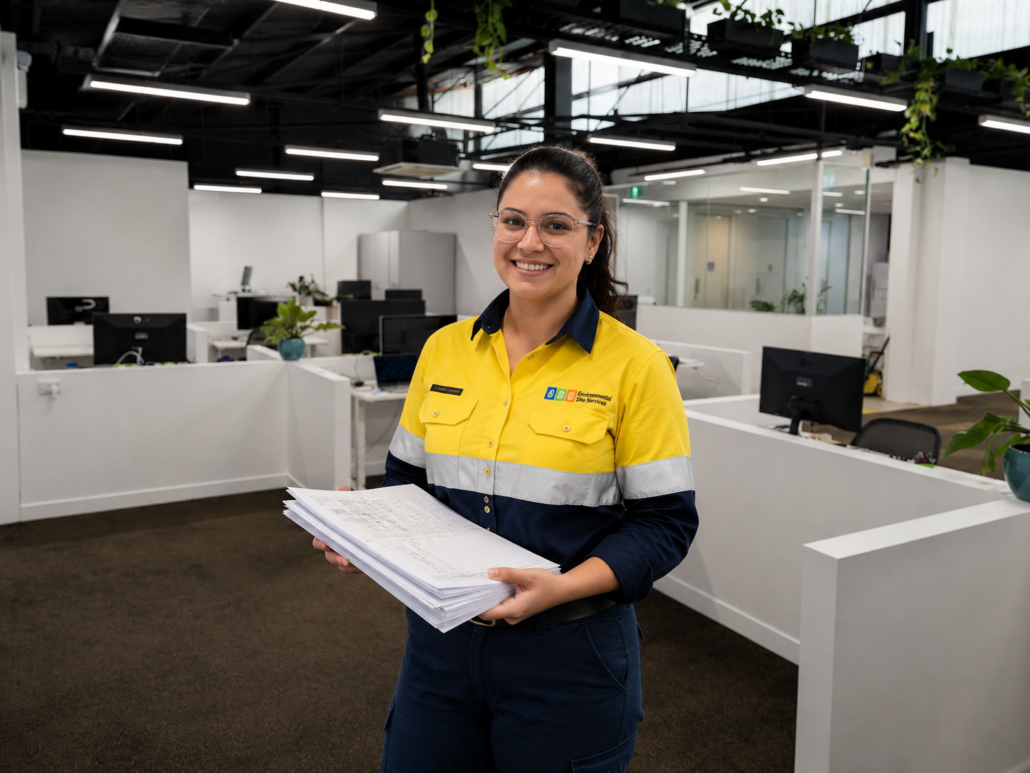
Environmental Site Services (ENVSS) is a Western Australian consultancy that designs and implements practical groundwater monitoring programs to help clients meet these regulatory, and socially moral, obligations. Regulatory Drivers for Groundwater Monitoring in Western Australia
Most groundwater monitoring in WA is not optional. It is required by conditions set by regulators and planning authorities as part of project approvals, operating licences, or contamination management programs.
The key WA regulators and frameworks that commonly require groundwater monitoring include:
| Regulator / Authority | Typical Role |
|---|---|
| DWER (Department of Water and Environmental Regulation) | Water licensing, works approvals, operating licences, contaminated sites oversight |
| DEMIRS (Department of Energy, Mines, Industry Regulation and Safety) | Mining proposals, mine closure plans, operational safety |
| EPA (Environmental Protection Authority) | Part IV environmental impact assessment, Ministerial Statement conditions |
| Local governments | Planning scheme conditions, local water management strategies |
Approval instruments that typically include groundwater monitoring conditions are:
- EP Act Part IV Ministerial Statements (often specifying trigger levels, monitoring well networks, and reporting frequencies)
- EP Act Part V works approvals and operating licences
- Mining Act mining proposals and Mine Closure Plans
- Groundwater abstraction licences and operating strategies under the RiWI Act
- Contaminated sites investigations and remediation programs
These conditions often specify the location and number of monitoring wells, the chemical parameters to be analysed, groundwater levels to be measured, sampling frequencies, and reporting formats required to demonstrate protection of water resources. Continuous groundwater monitoring supports regulatory compliance and environmental performance across all of these instruments.
ENVSS staff are experienced with common WA approval processes, and we design monitoring programs that align with them without adding unnecessary complexity.
Mining and Mine Dewatering: When Monitoring Becomes Mandatory
Mining is one of the most heavily regulated sectors in WA for groundwater management, and for good reason. Mining activities can fundamentally alter groundwater flow, quality, and recharge across large areas.
Typical mining situations that trigger groundwater monitoring include:
- Open pit dewatering below the water table
- Underground mining operations intersecting aquifer systems
- Seepage from tailings storage facilities and waste rock landforms
- Discharges from processing plants and evaporation ponds
- Drawdown affecting surrounding groundwater dependent ecosystems
Monitoring is usually required from the pre-feasibility baseline stage through construction, operations, and into mine closure and post-closure. This allows operators and regulators to assess aquifer status and trends, track groundwater levels, and identify environmental hazards before they escalate.
Groundwater monitoring involves drilling boreholes for sample collection across strategic networks of monitoring bores designed to extract samples from different groundwater levels. Monitoring wells – which are small-diameter bore holes drilled for groundwater access – are installed upgradient and downgradient of infrastructure to detect changes. For large projects, this can be substantial: over 120 monitoring bores were drilled at the Carmichael Mine, with some monitoring wells at the Carmichael Mine reaching 600 metres in depth to access deep aquifer systems.
In practice, WA mine approvals commonly require:
- Standing water level monitoring in monitoring wells around pits and infrastructure
- Regional bore networks to assess drawdown extent
- Water quality sampling upgradient and downgradient of tailings and waste facilities
- Trigger levels tied to baseline data (e.g. background mean ±2 standard deviations) with defined management actions
ENVSS assists mining clients by installing and sampling monitoring wells, logging groundwater levels, collecting field parameters, and coordinating laboratory testing for key groundwater quality indicators across the range of parameters required by approval conditions.
Infrastructure, Rail and Transport Projects
Large linear infrastructure – railways, highways, pipelines – can intersect aquifers, floodplains, and groundwater-dependent ecosystems across significant distances. Where construction alters natural groundwater flow or introduces potential contaminants, monitoring is typically required.
Examples where groundwater monitoring is commonly triggered include:
- Construction of new freight rail corridors through areas with shallow groundwater
- Road and bridge upgrades across floodplains
- Tunnel or cutting excavations below the water table
- Major depots or intermodal facilities where fuel and chemical storage creates risk
Before construction begins, monitoring wells are often installed along alignments to understand baseline groundwater levels and seasonal variation. Groundwater maps combined with measurements help estimate water table depth and aquifer thickness, which directly informs design decisions for cuttings, drainage, and earthworks.
During the construction phase, monitoring focuses on changes in water level, seepage into excavations, and any deterioration in groundwater quality due to fuel spills, chemical incidents, or sediment disturbance. For long-term operations, monitoring may continue around drainage basins, stormwater infiltration structures, and track formations to confirm no adverse impacts on groundwater resources or the surrounding environment.
ENVSS commonly provides practical, field-focused monitoring programs for WA rail and road projects, coordinating access, traffic management, and safe sampling on active worksites where consistent, reliable data collection requires experienced field personnel.
Utilities, Industrial Facilities and Waste Management Sites
Utilities and industrial sites often store, treat, or discharge water and waste materials, creating a range of situations where monitoring groundwater quality and groundwater levels is essential. Potential contamination from leaks, spills, or gradual seepage can affect soil and groundwater if not detected early.
For utilities, common monitoring scenarios include:
- Water and wastewater treatment plants
- Recycled water schemes and managed aquifer recharge projects
- Infiltration basins used for stormwater or treated water disposal
Industrial and manufacturing operations use monitoring wells to track potential contaminants from storage tanks, process areas, chemical handling zones, and containment structures. Landfills, tailings facilities, and waste management sites in WA typically require perimeter monitoring bores to detect leachate migration and track groundwater quality trends over the life of the facility and into post-closure.
Groundwater monitoring at these sites assesses heavy metals and pesticides contamination alongside a broad suite of physical and chemical indicators. Water samples are commonly tested against 40 different quality parameters. Key parameters include dissolved oxygen and total dissolved solids, while groundwater quality parameters such as pH, conductivity, and salinity provide baseline indicators of change. Groundwater quality monitoring also helps determine drinking water suitability where extraction or supply bores are located nearby.
ENVSS field technicians are experienced in sampling active industrial and waste facilities, applying consistent methods and suitable equipment so that data remains defensible for licensing, annual environmental reporting, and long-term compliance.
Land Development, Contaminated Sites and Urban Groundwater
Urban growth corridors and infill developments in Perth and regional WA increasingly require careful groundwater management. Groundwater monitoring is critical in Perth, as aquifers provide approximately 40% of drinking water to the metropolitan population. This has reduced from 60% in 1998, which shows the velocity in which our aquifers have been depleted in line with population growth and other usage. With careful usage and proper monitoring, we hope to see a smaller percentage drop in the years to come.
Tracking groundwater levels and quality is essential for sustainable management in Perth and across the state’s developing areas.
Subdivision and development works on low-lying or coastal land often require groundwater level monitoring to inform drainage design, flood risk assessment, and protection of nearby wetlands. Groundwater monitoring helps prevent the drying of wetlands and protects urban ecosystems that depend on stable water table conditions.
For contaminated sites, groundwater monitoring plays a crucial role in site investigations. Historical service stations, industrial lots, or former landfills being redeveloped for residential or commercial use typically require:
- Installation of monitoring wells to delineate contaminant plumes
- Ongoing groundwater quality sampling to evaluate remediation effectiveness
- Long-term monitoring under DWER’s Contaminated Sites guidelines
Local governments and developers may require seasonal datasets covering 12 to 24 months to understand maximum groundwater levels that influence basement depth, car park design, and stormwater systems. Without this baseline data, designs risk flooding, structural damage, or regulatory non-compliance.
Perth’s groundwater monitoring also helps manage aquifers under changing climate conditions. Reduced rainfall and extraction have lowered watertables significantly in areas like Gnangara Mound, making long-term monitoring datasets increasingly important for managing groundwater resources and responding to trends. Effective monitoring helps track climate change impacts and informs resource management decisions at both local and regional scales.
ENVSS supports consultants and developers by installing boreholes, undertaking baseline and ongoing monitoring, and supplying high-quality groundwater data to feed into design and risk assessments across developing areas.
What Groundwater Monitoring Typically Involves
While the triggers for monitoring differ across industries, the core groundwater monitoring process in WA follows a broadly similar method. Understanding what is involved helps project teams plan resources, timelines, and budgets effectively.
A typical monitoring program includes the following steps:
- Program design – reviewing approval conditions, defining objectives, and developing a monitoring plan with appropriate location, frequency, and parameter selection
- Well installation – drilling and constructing monitoring wells at suitable depths to isolate specific aquifers and prevent cross-contamination between ground layers
- Baseline data collection – measuring groundwater levels and collecting water samples over an initial period (often 12–24 months) to capture seasonal variation and establish reference conditions
- Ongoing monitoring – regular measurements and sampling at frequencies determined by risk, from monthly to annual
Common field activities during each monitoring round include:
- Measuring standing water level using electronic meters or pressure transducers
- Recording field parameters such as pH, electrical conductivity, temperature, and dissolved oxygen
- Purging wells before collecting samples to ensure representative results
- Preserving and dispatching samples to an accredited laboratory with full chain of custody documentation
Electronic data loggers continuously record groundwater levels to capture fluctuations between manual visits, providing a more complete picture of how the water table responds to rain, extraction, or nearby operations. Monitoring wells provide data on groundwater quality and levels that, over time, builds into long-term datasets. Long-term data enables assessment of water table trends over time – a quantity of information that cannot be replicated by short-duration investigations alone.
Monitoring frequencies vary depending on risk status. High-risk sites may require monthly water quality sampling and weekly or continuous water level measurements. Lower-risk or stable sites may only need quarterly or annual sampling. Programs often extend for many years, reported regularly to regulators against trigger thresholds.
High-quality data supports groundwater management decisions such as adjusting dewatering rates, modifying drainage design, or implementing remediation and containment strategies. Without defensible data, organisations cannot respond effectively to changing conditions or demonstrate compliance with licence conditions.
ENVSS offers on tried-and-tested field methods, quality assurance, and clear reporting so clients can confidently use groundwater monitoring data for compliance and operational decisions. Whether the program involves a handful of bores on a development site or a regional network across a mine, the same principles apply: collect accurate data, maintain consistency, and deliver results that stand up to regulatory scrutiny.
If your project may affect groundwater, early planning with an experienced monitoring provider reduces risk and avoids costly delays. Contact ENVSS to discuss your groundwater monitoring requirements, or speak with our environmental specialists about how we can support your next project.