
Surface water is found in rivers, streams, lakes, ponds, tailings dams and other natural watercourses. A number of rivers and streams throughout Western Australia provide water for public use or irrigational use, as well as a source of recreation and for hydropower. Surface water monitoring supports the aquatic environment and the broader ecosystem across wetlands, reservoirs and estuaries, and climate change is affecting local hydrological conditions. Surface water demand for drinking water, irrigation, industrial, recreational purposes, the development of land and pollution all have an impact on the quality and quantity of our surface water, with water quantity and water levels being key aspects of effective management. Continuous monitoring helps identify flood and drought potential over the long term.
Monitoring of this precious resource is important to understand the impact of our activities and how to best manage associated risks. Long-term surface water data is vital for managing water resources, allocation and policy decisions. The Department of Water plans and manages all water resources throughout Western Australia through coordinated programs at multiple sites across a watershed.
Surface water sampling and water quality monitoring can be undertaken for field data collection and laboratory analysis of specific parameters for a variety of reasons which include:
Evaluation of baseline surface water quality, including dissolved oxygen, oxygen and pH
Identification and evaluation of upstream and downstream impacts, including turbidity and temperature
Identification of the extant, sources and transport of salt, nutrients, pesticides and other contaminants, helping determine pollutant sources for targeted remediation
Delineation of stratification and conductivity, which indicates water quality by measuring dissolved ions
Understanding of recharge-discharge mechanism and salinity
Assessment of the impact of land use changes and water temperature
Pollution/incident response and monitoring, including algae risk assessment and early warning systems for disaster management
Assessment of surface water movement and flow patterns
Determination of the nature of the surface and groundwater interconnectivity
Biological monitoring, including macroinvertebrate surveys, to determine long term water health and ecosystem condition
Environmental Site Services offer mobile monitoring stations and services with instrumentation and tools tailored to monitoring projects and water science projects, including:
Water levels at gauging sites, from which streamflow data is derived
Physical quality
Chemical quality
Flow data
Flood modelling and forecasting
Catchment management
Rainfall monitoring
Monitoring across multiple sites
Environmental Site Services works on a diverse range of surface water monitoring sites tailored to various industries and environmental needs. Key site types include tailings dam monitoring, where continuous assessment of water quality and levels is essential to manage the risks associated with mining waste containment. Tailings dam water monitoring ensures early detection of potential leaks, seepage, and contamination, helping to prevent fish deaths and other ecological impacts.
Borehole monitoring is another critical area, involving the tracking of groundwater levels and quality through state observation bores. This monitoring informs the understanding of groundwater-surface water interactions, recharge and discharge processes, and overall catchment health.
Mining stream water monitoring focuses on assessing the quality and flow of streams affected by mining operations. It helps identify pollutant sources, manage sediment and nutrient loads, and ensures compliance with environmental regulations. This monitoring is essential for maintaining the ecological integrity of waterways impacted by mining activities.
Additionally, Environmental Site Services provides DFES ponds monitoring, which involves the surveillance of Department of Fire and Emergency Services (DFES) ponds. These ponds are vital for firefighting water supply and require regular water quality and quantity assessments to ensure their readiness and safety.
Across all these site types, the use of advanced instruments and telemetry systems enables real-time data delivery, supporting proactive management and regulatory compliance. Our expertise in handling these diverse monitoring needs is essential for effective environmental stewardship and sustainable resource management.
For a comprehensive analysis and proactive approach, add in a weather station and groundwater monitoring to fully understand and manage your project risks. All stations are fully autonomous (excluding laboratory analysis) and provide IoT-enabled telemetry for real time data collection, and can operate unattended for long periods with low maintenance. Satellite telemetry can also be used in remote areas.
For information in regards to surface water monitoring, sampling programs and modelling contact Environmental Site Services for tailored operation and maintenance support for conducted monitoring projects and compliance reporting to official water quality guidelines.
Deep cycle batteries and solar panels to keep equipment operating autonomosuly
GPRS modem to keep you connected
Customisable automated reports to save you time and focus on what's important
Customisable SMS, email, audible and visual alerts
Cloud based servers to securely store your data
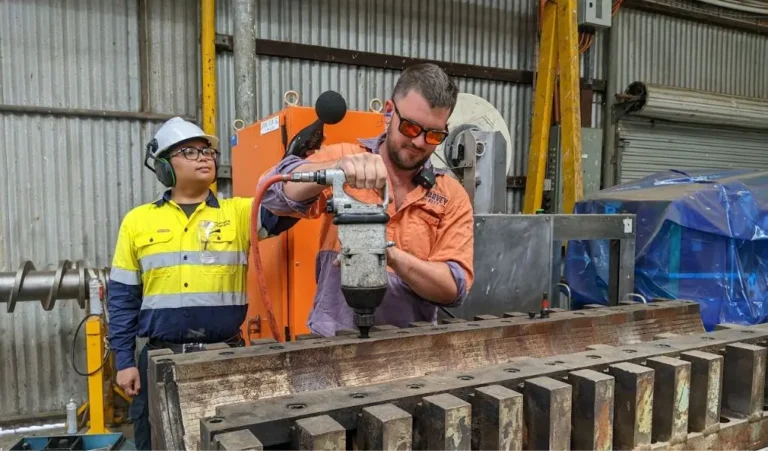
Occupational hygiene entails identifying, evaluating, and managing workplace environmental risks to health. Our services cater to diverse needs, crafting solutions for complex hygiene and safety challenges. Our expert staff collaborates with you to implement effective hygiene management systems, crucial for meeting site and legal standards.
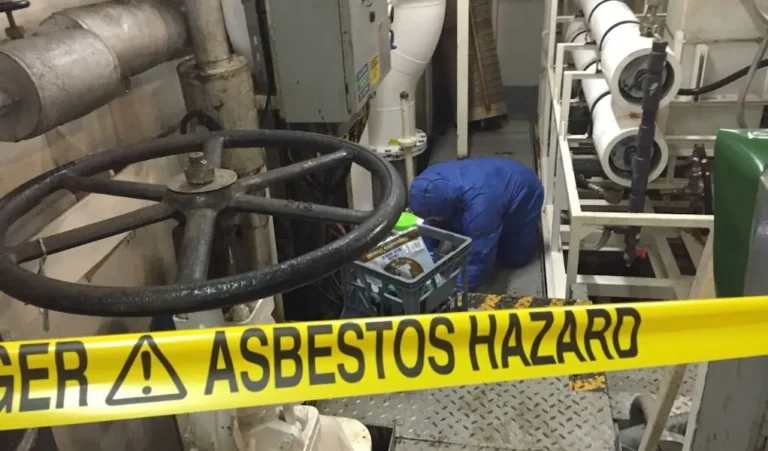
We are a Licensed Asbestos Assessor (LAA) and provide hazardous material management to building owners, property developers and facility managers to meet specific client requirements including identification and risk assessment of hazardous materials, development of detailed hazardous material management plans and supervision of hazardous material remediation works.
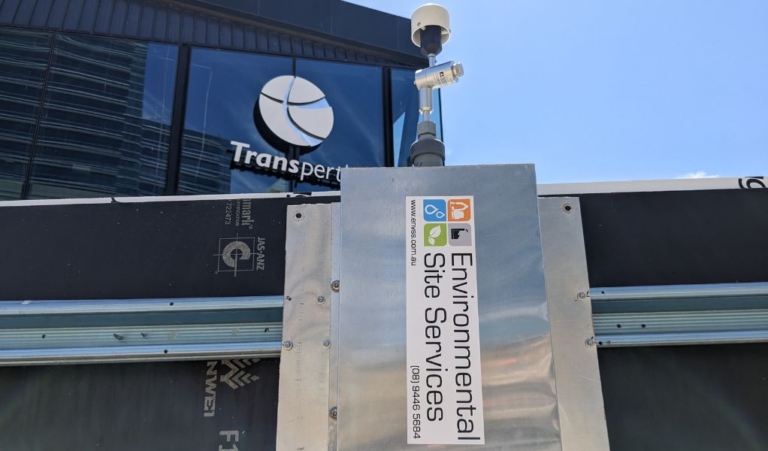
Monitoring services are tailored to your needs, ranging from ENVSS staff attended monitoring to autonomous stations with remote telemetry and alerts. You can access real-time data, make informed decisions, and generate reports via our Client Portal. We understand industry demand and meet client expectations by building our equipment to be flexible, mobile, efficient, accurate and robust.
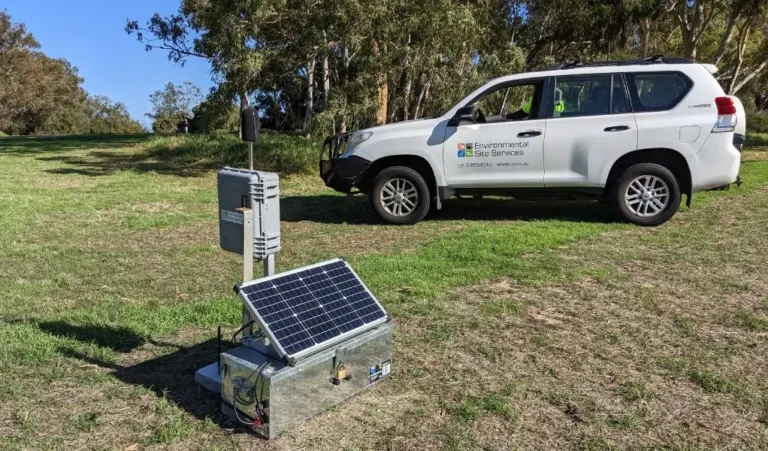
Our noise and vibration services cover both regulatory compliance and occupational health, with services ranging from noise monitoring, blast monitoring, earplug fit testing, human vibration testing and more. Our monitoring devices are set and forget with remote software, allowing us to capture a wealth of data spread over a timeline of your choosing.
"*" indicates required fields