
Environmental Site Services (ENVSS) offers specialised occupational noise assessment, monitoring and audit services to assist WA business in meeting their legal obligations.
As a leading cause of noise induced hearing loss (NIHL), workplace noise is well regulated by the WHS Act 2020 and WHS (General) Regulations 2022. With vast experience across WA, our team know the ins and outs of these directives and tailor their services to ensure your workplace remains compliant, safe and informed.
Occupational noise remains one of the most significant causes of hearing loss in Western Australia. Unfortunately, there is no cure for NIHL – once hearing damage occurs it is permanent. That often leads to communication challenges, fatigue, isolation and personal safety risks.
Aside from health impacts, uncontrolled noise can also reduce staff concentration, interfere with critical communications and inadvertently mask alarms and warnings. Thus, managing workplace noise is important not just for compliance, but for maintaining a safe and productive operation.

Under the WHS (General) Regulations 2022, a Person Conducting a Business or Undertaking (PCBU) must ensure, so far as is reasonably practicable, that workers are not exposed to noise above the exposure standard:
LAeq,8h = 85 dB(A) (8 hour average), or
LC,peak = 140 dB(C) (instantaneous peak)
If these limits are exceeded, PCBUs must implement control measures using the hierarchy of controls, and provide hearing protection compliant with AS/NZS 1269.3:2005 and AS/NZS 1270:2002.
The 2024 edition of the Code of Practice: Managing Noise and Preventing Hearing Loss at Work outlines when and how occupational noise assessments must be conducted, including any time there are:
Identified noise hazards
Changes to equipment, layout or shift patterns
Significant modifications to noise exposure patterns
The previous five year interval guidance no longer applies.
Failure to conduct proper workplace noise assessments exposes your business to significant compliance risks. That is because you will not have the data to demonstrate exposure has been properly evaluated and suitably addressed.
Consequences can include enforcement actions and stop work notices, but your business will also increase its vulnerability to worker compensation claims. Regular workplace noise testing provides the defensible evidence you need to avoid those risks.
At ENVSS, we provide comprehensive, end to end assessments tailored to your site’s risks and operations. Our government approved noise officers complete surveys in accordance with the AS/NZS 1269 series and offer:
Task based, ambient and equipment noise surveys
Personal noise exposure dosimetry for workers
Mapping and identification of noise hazard zones
PPE evaluation against exposure risks and compliance standards
Recommendations for noise control using the hierarchy of controls
Assistance in developing Noise Management Plans and Buy Quiet policies
Toolbox talks and awareness training on correct PPE use
Appointed noise officers and compliance support for high risk sites
Support documentation for IEQ or Green Star accreditation
We ensure our reports are practical, audit ready and seamlessly implemented.

Under Regulation 58 of the WHS (General) Regulations 2022, employers must arrange and pay for audiometric testing for any worker who is required to frequently use hearing protection due to exposure exceeding the standard.
Baseline audiometric testing within 3 months of employment in a noise exposed role
Monitoring (biennial) testing at least every 2 years or sooner if high exposure exists
All testing was conducted by competent personnel, compliant with AS/NZS 1269.4:2014
Use of calibrated Oscilla Audiometer SM930, TDH 39 earphones with 3M Peltor enclosures
Worker education, data management and actionable reporting
Record keeping for at least 2 years, with results accessible to the worker
Follow up testing if threshold shifts are detected, plus guidance on referral
On site training and toolbox sessions to reinforce hearing protection awareness
From 1 July 2024, the WorkcCover WA audiometric testing scheme and “Approved Audiometric Officer” system were discontinued. Testing is now entirely regulated under the WHS framework. Baseline tests from WorkCover may still be valid if compliant.
Testing and reporting noise in the workplace is only one part of the picture. ENVSS supports your ongoing noise compliance through:
Tracking of biennial test schedules
Coordinated noise reassessments after equipment or process changes
Assistance with audit documentation and noise control planning
Tailored policy development and on call support
Whether you’re responding to a complaint, updating safety protocols or managing a new workforce in a high risk environment, our team is ready to assist.

DLGIRS approved and WorkSafe recognised Noise Assessors
Testing compliant with AS/NZS 1269 series and WHS (General) Regulations 2022
Noise surveys, audiometry, training, reporting and compliance support – all conducted in house
Practical, risk based recommendations that balance safety and operations
Site specific and industry aligned services across WA, including the regions
Environmental Site Services offer remote access, real-time, noise monitoring stations configured to suit your project needs.
• Real-time noise monitoring alerts
• Real-time noise monitoring periodical noise measurements
• Real-time noise monitoring measurements straight to your web enabled phone, tablet or PC
• Real-time noise monitoring


Our Noise Monitoring Stations are fully weather protected and are designed and built to meet the needs of construction and mining projects. Instruments can be completely portable, or fixed for long term monitoring. Environmental Site Services noise monitoring loggers and stations can be mounted on fence lines, affixed temporarily to existing structures, mounted on our custom built stands and masts, or can be completely portable.
The major applications of this system are:
• real-time noise monitoring
• periodical noise monitoring
• construction site noise monitoring
• airport noise monitoring
• community noise monitoring
• road and traffic noise monitoring
• acoustic mapping
• noise mapping
• verification of the noise barrier efficiency
Systems are available in various configurations, for short-term and long-term deployment. The low power consumption of the units allows flexible powering options including internal batteries, external batteries, solar with battery backup, power over ethernet, USB and mains power with solar and battery backup.
Communication options include GPRS and LAN options.
Features of the units include:
• Multiple units can be monitored at one time, ideal for community noise monitoring projects
• Weather protected, designed for the outdoor use in all climatic environments
• On-line noise monitoring & wireless data transfer thanks to GPRS/GSM modem
• Real-time four-channel 1/1 & 1/3 octave analysis (option)
• Real-time four-channel FFT analysis (option)
• Dynamic range up to 100 dB
• Advanced data logger including spectra logging
• Time-domain signal recording (option)
• Customisable SMS and Email advanced trigger and alarm functions
• Outdoor microphone
• Powered from internal rechargeable battery 33 Ah (indoor charger included) or external DC current source 11 V – 30 V
• Solar panel powering (option)
• Weather conditions monitoring module including both wind speed and direction data (option)
• Easy data view or download straight for any web enabled device

Deep cycle batteries and solar panels to keep equipment operating autonomosuly
GPRS modem to keep you connected
Customisable automated reports to save you time and focus on what's important
Customisable SMS, email, audible and visual alerts
Cloud based servers to securely store your data
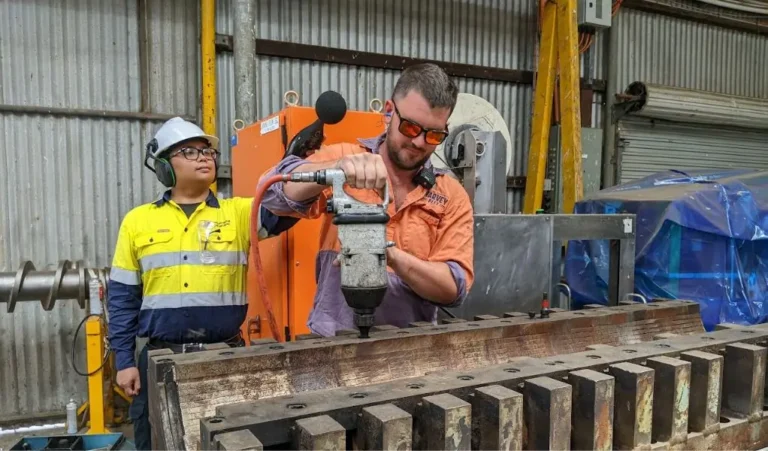
Occupational hygiene entails identifying, evaluating, and managing workplace environmental risks to health. Our services cater to diverse needs, crafting solutions for complex hygiene and safety challenges. Our expert staff collaborates with you to implement effective hygiene management systems, crucial for meeting site and legal standards.
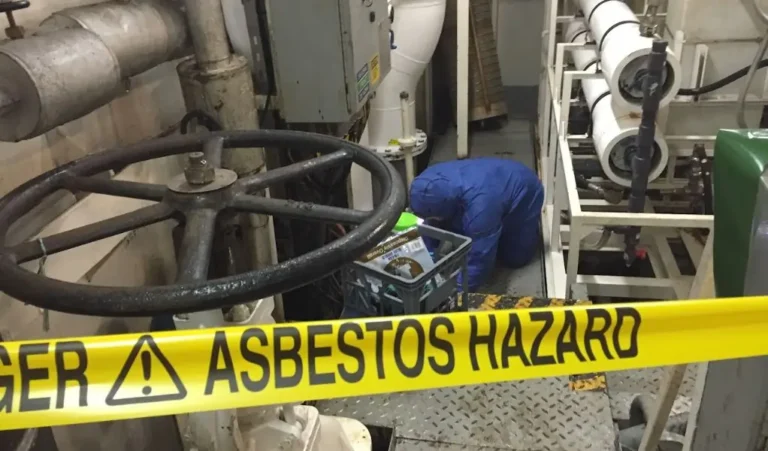
We are a Licensed Asbestos Assessor (LAA) and provide hazardous material management to building owners, property developers and facility managers to meet specific client requirements including identification and risk assessment of hazardous materials, development of detailed hazardous material management plans and supervision of hazardous material remediation works.
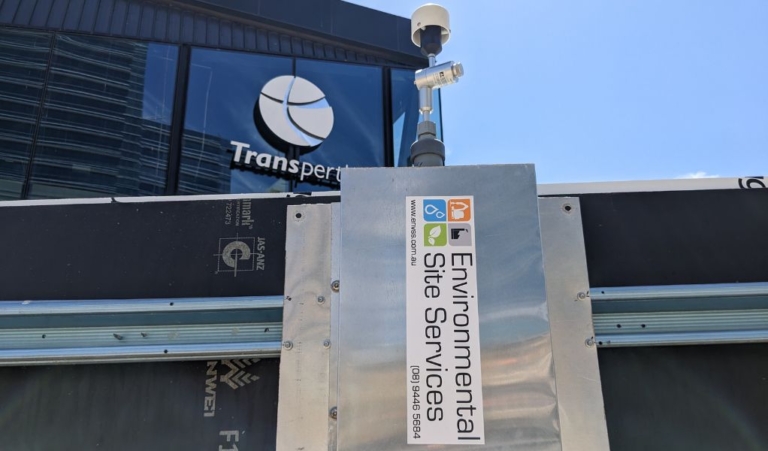
Monitoring services are tailored to your needs, ranging from ENVSS staff attended monitoring to autonomous stations with remote telemetry and alerts. You can access real-time data, make informed decisions, and generate reports via our Client Portal. We understand industry demand and meet client expectations by building our equipment to be flexible, mobile, efficient, accurate and robust.
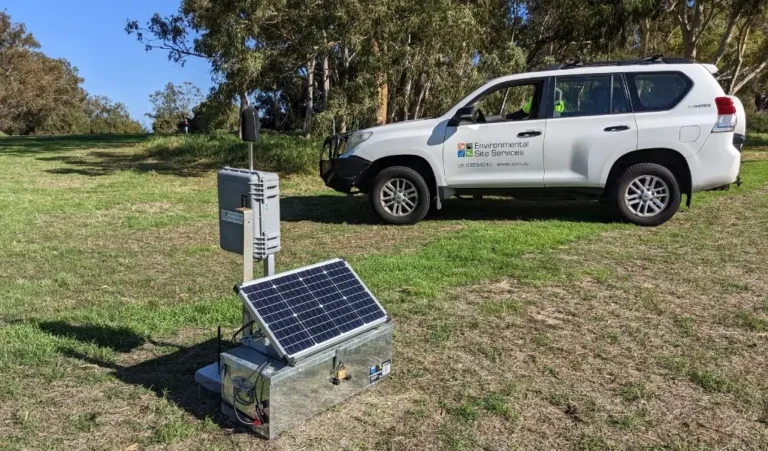
Our noise and vibration services cover both regulatory compliance and occupational health, with services ranging from noise monitoring, blast monitoring, earplug fit testing, human vibration testing and more. Our monitoring devices are set and forget with remote software, allowing us to capture a wealth of data spread over a timeline of your choosing.
"*" indicates required fields
An ENVSS workplace noise assessment begins with a site walkthrough. Here, our noise assessors identify sources of noise and any tasks that may elevate exposure. From there, we conduct the tests listed above to capture representative data.
Once testing is complete, we’ll provide a report that details whether workers are exposed to excessive noise risk and identifies high risk zones on site. You will also find practical recommendations for reducing risk and managing compliance, such as engineering controls and administrative changes.
Protect your people and meet compliance obligations with ENVSS’ occupational noise assessments. Whether you need a one off audit or are looking for an ongoing management partner, our team can support every step of your process
For a tailored quote or to book your next audiometric testing round, click here.